
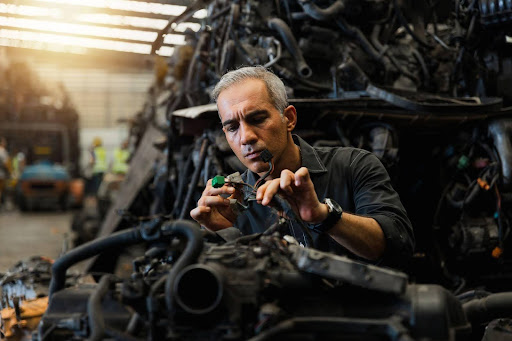
Embarking on an engine swap or replacement project represents one of the most significant decisions an automotive enthusiast can make. The engine serves as the heart of any vehicle, determining its character, capability, and long-term viability. For those considering Japanese Domestic Market powerplants, understanding how to approach the selection process strategically can mean the difference between a successful build and a frustrating experience.
Defining Your Project Goals
Before exploring specific engine options, successful builders invest time clarifying exactly what they want to achieve. This foundational planning shapes every subsequent decision and helps avoid costly mid-project pivots.
Consider the vehicle’s intended purpose carefully. A dedicated track car has vastly different requirements than a reliable daily driver or a show vehicle meant primarily for display. Performance targets, reliability expectations, budget constraints, and timeline pressures all interact to define the optimal approach for each unique project.
Regulatory considerations deserve attention early in planning. Some jurisdictions have specific requirements for engine swaps that affect which powerplants can legally operate on public roads. Understanding these constraints prevents investing in an engine that can’t be registered or inspected in your area.
Realistic assessment of available resources guides appropriate project scope. A first-time builder with limited tools and workspace faces different constraints than a professional shop with comprehensive equipment and experienced staff. Matching project complexity to available capabilities improves success probability.
Matching Engines to Applications
The JDM market offers remarkable diversity in available powerplants, from economical four-cylinders to sophisticated inline-sixes and powerful V8 configurations. Matching engine characteristics to project requirements optimizes outcomes.
Displacement and configuration affect both performance potential and packaging considerations. Compact four-cylinder engines fit applications where space constraints limit options, while larger engines deliver more power but require additional room and supporting modifications. Understanding the physical dimensions of candidate engines helps assess installation feasibility.
Forced induction versus naturally aspirated engines present distinct tradeoffs. Turbocharged and supercharged engines offer higher specific output but add complexity through additional systems requiring integration and maintenance. Naturally aspirated engines typically prove simpler to install and maintain while delivering linear power delivery some drivers prefer.
Engine management sophistication varies significantly across JDM options. Older engines with simpler electronics integrate more easily with various vehicle platforms. Newer engines feature advanced management systems that may require specialized tools and knowledge to configure properly. Understanding your capability to address engine management determines which options remain practical.
Research and Information Gathering
Thorough research separates successful projects from troubled ones. Multiple information sources contribute different perspectives that together create comprehensive understanding.
Manufacturer service documentation provides authoritative specifications and procedures. Factory workshop manuals detail tolerances, torque values, and service requirements that ensure engines operate correctly. These documents may require effort to locate but prove invaluable during installation and maintenance.
Enthusiast forums and communities offer practical experience from those who’ve completed similar projects. Build threads document real-world challenges encountered and solutions developed. This accumulated wisdom helps anticipate problems before they occur and provides proven approaches to common obstacles.
Professional builders and specialty shops possess deep expertise in specific platforms. Consulting with these professionals, even if you plan to complete work yourself, can reveal considerations you might otherwise overlook. Many are willing to share knowledge that helps the broader community.
Evaluating Supplier Options
The JDM import industry includes suppliers ranging from excellent to problematic. Identifying trustworthy sources protects your investment and improves project outcomes.
Established businesses with track records in the community deserve preference over unknown operators. Companies like JDM Engines Direct have built reputations through consistent quality and customer service over extended periods. Longevity in business suggests sustainable practices and commitment to customer satisfaction.
Inspection and documentation practices indicate supplier professionalism. Quality suppliers provide compression test results, visual condition documentation, and accurate mileage information. This transparency enables informed purchasing decisions and sets appropriate expectations.
Return policies and warranty coverage reveal how suppliers stand behind their products. Clear terms that provide reasonable recourse if problems emerge demonstrate confidence in product quality. Vague or restrictive policies should prompt additional scrutiny before committing to purchase.
Budgeting Beyond the Engine
Realistic project budgeting accounts for all costs, not just the engine purchase price. Experienced builders know that supporting components and installation requirements often exceed initial estimates.
Shipping and logistics costs add meaningfully to JDM engine expenses. Freight charges, potential customs fees, and delivery to your location must factor into budget calculations. Getting accurate shipping quotes before committing helps avoid unwelcome surprises.
Supporting modifications frequently prove necessary for successful installation. Motor mounts, exhaust fabrication, cooling system upgrades, and driveline adaptations each carry their own costs. Researching specific requirements for your planned swap helps estimate these expenses accurately.
Professional labor for portions beyond DIY capability represents another budget category. Even skilled amateurs sometimes benefit from professional assistance with specific tasks like wiring, tuning, or fabrication. Planning for these expenses prevents budget overruns.
Installation Planning and Preparation
Careful preparation before the engine arrives accelerates the installation process and reduces problems. Advance planning maximizes productive time when work actually begins.
Workspace preparation ensures you have room to work safely and efficiently. Engine swaps require space to store the removed powerplant while installing the replacement. Adequate lighting, ventilation, and tool accessibility all contribute to smoother progress.
Parts acquisition ahead of engine arrival prevents delays waiting for necessary components. Gaskets, seals, fluids, and hardware commonly needed during installation can be sourced proactively. Building a complete kit of anticipated requirements keeps work moving forward.
Documentation of the removal process aids reinstallation and troubleshooting. Photographs, labels on disconnected components, and written notes create references that prove valuable when questions arise during installation. This documentation investment pays dividends throughout the project.
Common Challenges and Solutions
Understanding frequently encountered challenges helps builders prepare appropriate responses. Anticipating problems enables proactive solutions rather than reactive scrambling.
Wiring integration represents perhaps the most common challenge in JDM engine installations. Different connector types, wire colors, and circuit configurations between Japanese and domestic vehicles require careful attention. Options range from adapter harnesses to complete rewiring depending on specific application requirements.
Engine management calibration often requires attention after installation. Japanese domestic ECUs may need modification to work correctly in different applications. Standalone engine management systems provide maximum flexibility but require tuning knowledge to configure properly.
Cooling system adequacy deserves verification before considering the installation complete. JDM engines may have different cooling requirements than original equipment. Ensuring adequate radiator capacity, proper thermostat operation, and appropriate fan function prevents overheating damage.
Testing and Verification Procedures
Systematic testing after installation confirms proper function before returning the vehicle to regular use. Rushing this phase risks damaging the newly installed engine or creating safety hazards.
Initial startup procedures protect the engine during critical break-in moments. Verifying oil pressure immediately after starting, watching for leaks, and monitoring temperatures all provide early warning of potential problems. Addressing issues during controlled testing prevents more serious damage.
Progressive load testing gradually increases demands on the engine while monitoring for problems. Beginning with low-load operation and methodically increasing to full power application reveals issues that might not appear under gentle use. This graduated approach protects the engine investment.
Data logging during testing creates records for comparison and troubleshooting. Modern tools enable comprehensive monitoring of engine parameters that reveal potential issues before they cause damage. Establishing baseline values during initial testing supports future diagnostic efforts.
Long-Term Ownership Perspective
Successful JDM engine projects extend beyond installation to encompass long-term operation and maintenance. Planning for ongoing ownership requirements ensures lasting satisfaction.
Maintenance scheduling based on manufacturer recommendations protects engine longevity. Understanding required service intervals for timing components, fluids, and wear items enables proactive maintenance that prevents problems. Creating a maintenance calendar helps ensure nothing gets overlooked.
Parts sourcing strategy accounts for ongoing needs throughout ownership. Identifying reliable suppliers for routine maintenance items and potential repair components before needs become urgent prevents extended downtime. Maintaining relationships with quality suppliers serves long-term ownership interests.
Community engagement enhances the ownership experience beyond practical benefits. Sharing your project with others who appreciate similar vehicles creates connections that enrich the hobby. Contributing knowledge gained from your experience helps others while reinforcing your own understanding.
Celebrating the Journey
Completing a JDM engine project delivers satisfaction that extends beyond simply having a functional vehicle. The process of researching, planning, executing, and refining a build creates experiences and knowledge that become part of your automotive journey.
The skills developed through project completion transfer to future endeavors. Each challenge overcome builds capability for addressing subsequent challenges. This learning compounds over time, making each project somewhat easier than the last while still offering new lessons.
The community connections formed through shared enthusiasm for JDM platforms provide lasting value. Fellow enthusiasts become friends, resources, and inspiration for future projects. These relationships represent perhaps the most valuable outcome of engaging with the JDM world.
Driving a vehicle powered by an engine you selected, sourced, and installed creates a connection impossible to achieve through conventional vehicle ownership. This sense of accomplishment and personal investment transforms routine transportation into something genuinely meaningful.
